The Hidden Battle
Securing IoT Devices in Smart Manufacturing
By: Destiny Dickerson
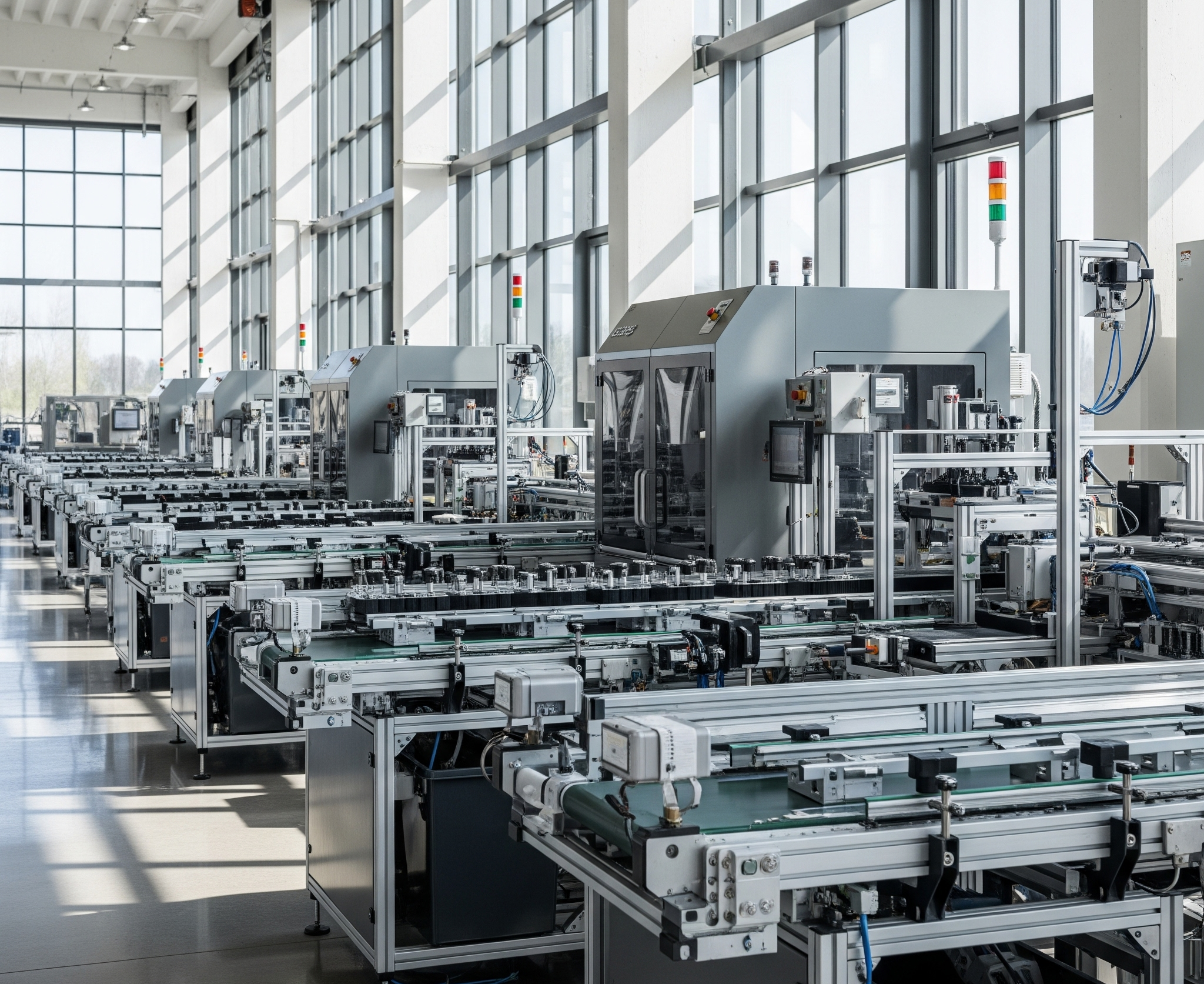
Walk into a modern factory today, and it feels less like the old assembly lines of the past and more like something out of science fiction. Sensors track conveyor belts, robotic arms follow instructions from cloud dashboards, and machines communicate with each other to keep production moving. This digital revolution, often called smart manufacturing, relies on the Internet of Things (IoT) to make factories faster, more efficient, and more adaptable. But for all of its promise, smart manufacturing carries a hidden challenge that can’t be ignored: keeping those IoT devices secure.
Unlike a hacked smart TV or thermostat at home, a compromised device on the factory floor doesn’t just mean inconvenience. It can result in lost revenue due to downtime, ruined products, or even hazardous working conditions. That is why IoT security in manufacturing isn’t simply about protecting data; it is about safeguarding people and entire supply chains.
One of the biggest hurdles is the mix of new and old technology. Many factories rely on legacy systems, some built decades ago, that were never designed with cybersecurity in mind. When these systems are connected to modern analytics platforms, they become weak links. For example, an older machine controller that cannot support encryption may be directly tied into the same network as new devices that send data to the cloud. Hackers know that if they can compromise the weakest device, they can often move deeper into the system.
Even when equipment is new, IoT devices are often designed with cost and efficiency in mind rather than security. Many have limited computing power or memory, making it difficult to add features like encryption or advanced authentication. Some cannot even receive software updates remotely, which means once vulnerabilities are discovered, they may remain open indefinitely. Add in the common problem of default passwords like “admin123” never being changed, and it becomes clear why so many attackers target IoT devices first.
The dangers are very real. In 2022, security researchers discovered a group of flaws known as Access:7, which enabled attackers to take control of specific industrial IoT devices remotely. Although headlines often highlighted the risks to healthcare systems, the vulnerabilities didn’t stop there; they also affected factory equipment and even automated teller machines. In another incident, a cyber threat slipped into a manufacturing network through a trusted third-party vendor. Because the vendor’s own devices lacked proper safeguards, hackers were able to use that weak link as an entry point. These situations reveal that the challenge extends beyond individual devices and encompasses the broader web of suppliers, service providers, and connected technologies that comprise modern manufacturing.
What makes securing IoT in manufacturing especially challenging is that downtime is not an option; it simply cannot be tolerated. Updating software or replacing devices often requires halting production, which can cost millions. Machines are expected to last for decades, yet threats evolve much faster than that. Unlike personal devices, the consequences of a factory breach are physical, not just digital. A single hacked sensor could disrupt an entire production line or damage equipment worth millions.
The future of smart manufacturing will depend on striking a balance between innovation and protection. Manufacturers will need to work closely with vendors to demand stronger security practices and build processes for keeping devices updated without disrupting production. Employees must be trained to understand the risks, and companies must adopt strategies such as network segmentation and strong authentication across all systems. Smart factories are transforming the way we make products, but unless security keeps pace, their greatest strength could also become their greatest weakness.
Sources
- Security Boulevard - IoT Security Challenges, Issues, and Best Practices
https://securityboulevard.com/2025/08/iot-security-challenges-issues-and-best-practices - Portnox - The Challenges of Securing IoT Devices
https://www.portnox.com/cybersecurity-101/challenges-of-securing-iot-devices - Medium - Sophie Giedraitis, The Top 5 Security Challenges of IoT in Manufacturing
https://medium.com/@ITWritingBySophie/from-smart-factories-to-cyber-threats-the-top-5-security-challenges-of-iot-in-manufacturing-975a3ce60915 - Wired - Access:7 IoT Vulnerabilities
https://www.wired.com/story/access7-iot-vulnerabilities-medical-devices-atms