Challenges and Solutions
Understanding Capacity Constraints in Manufacturing
By: Destiny Dickerson
In the manufacturing sector, capacity constraints are a significant challenge that can impede production efficiency and hinder a company’s ability to meet market demands. These constraints occur when a manufacturing system’s resources, such as machinery, labor, or materials, are insufficient to meet the desired production levels. Understanding and addressing these constraints is crucial for optimizing operations and maintaining competitiveness.
Identifying Capacity Constraints
Capacity constraints can manifest in various forms within a manufacturing environment. Equipment limitations are common; if a particular machine becomes a bottleneck in the production process, it can delay the entire workflow, leading to increased lead times and reduced throughput. For instance, in a semiconductor manufacturing plant, a single photolithography machine’s limited capacity can restrict the overall production rate, even if other machines are operating at full capacity. Labor shortages also contribute to capacity constraints. A skilled workforce is essential for maintaining high-quality production standards.
In industries such as aerospace manufacturing, where precision is crucial, the absence of qualified technicians can lead to delays and quality issues, ultimately affecting the entire production schedule. Material shortages are another critical factor. Just-in-time manufacturing relies on the timely availability of raw materials. Any disruption in the supply chain, such as delays from suppliers or transportation issues, can halt production lines. For example, the automotive industry has experienced significant slowdowns due to shortages of microchips, highlighting the vulnerability of complex supply chains.
Impacts of Capacity Constraints
The effects of capacity constraints are far-reaching. They can lead to missed delivery deadlines, damaged customer relationships, and a tarnished brand reputation. In industries like consumer electronics, where product lifecycles are short, delays can result in lost sales opportunities. Capacity constraints often lead to increased operational costs, as manufacturers may need to expedite shipping, pay overtime wages, or invest in temporary solutions to mitigate delays. Persistent capacity issues can also stifle innovation. When resources are tied up addressing immediate constraints, long-term projects and improvements may be sidelined, hindering a company’s ability to evolve and adapt to market changes.
Strategies to Overcome Capacity Constraints
Addressing capacity constraints requires a multifaceted approach. Process optimization through lean manufacturing principles can help identify inefficiencies and streamline operations to enhance efficiency. Techniques like value stream mapping and root cause analysis can pinpoint areas where resources are underutilized or wasted. Investing in technology, such as upgrading machinery and adopting automation, can increase production capacity. For example, the introduction of robotic systems in automotive assembly lines has significantly enhanced throughput and consistency. Workforce training ensures that labor resources are utilized effectively. Cross-training workers allows for flexibility in task assignments, reducing downtime and improving adaptability. Strengthening relationships with suppliers and diversifying sources can mitigate material shortages. Implementing inventory management systems helps maintain optimal stock levels and reduces the risk of production halts.
Real-World Example: Toyota’s Approach
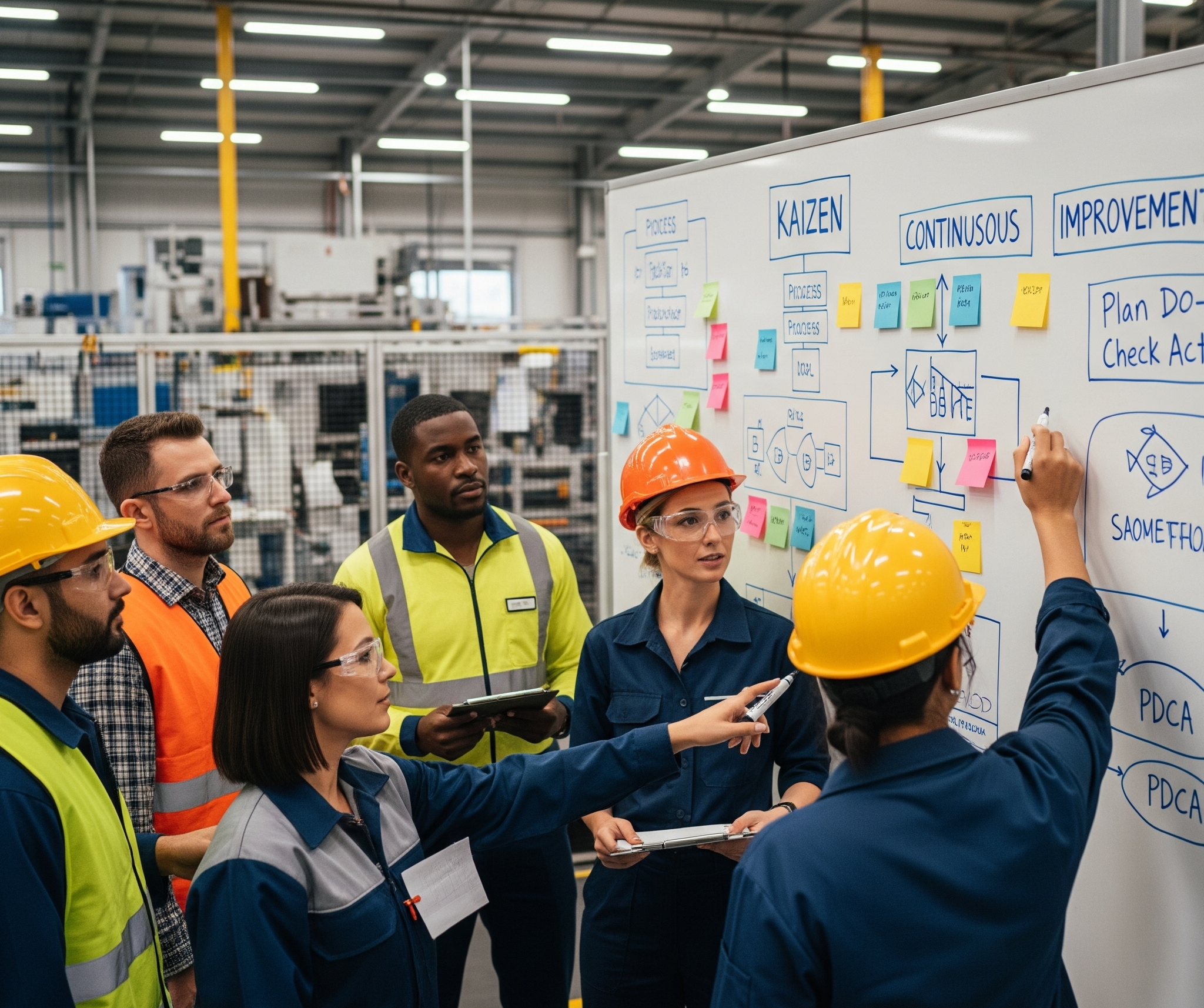
Toyota’s production system provides a real-world example of successfully managing capacity constraints. The company employs a just-in-time manufacturing strategy, ensuring that parts arrive exactly when needed, minimizing inventory costs. Additionally, Toyota’s focus on continuous improvement, or Kaizen, empowers employees at all levels to identify and address potential bottlenecks, fostering a proactive approach to capacity management.
Conclusion
Capacity constraints are a significant challenge in manufacturing, but with strategic planning and continuous improvement, companies can effectively overcome these obstacles. By identifying constraints early, optimizing processes, and investing in resources, manufacturers can enhance productivity, reduce costs, and maintain a competitive edge in the market.
Sources
- NetSuite - “Capacity Constraints: A Definition With Solutions” - netsuite.com
- Veryable - “Capacity Constraints: Definition, Effects, and Solutions” - veryableops.com
- Lean Production - “Theory of Constraints (TOC)” - leanproduction.com
- Investopedia - “Excess Capacity Definition, Causes, Impact, Example” - investopedia.com